Microdosing Psychedelics: Benefits, Risks, and What We Really Know
Disclaimer
This article is for educational purposes only and does not constitute medical or legal advice. It is not a recommendation to use any controlled substance. Individuals are responsible for understanding the laws and risks in their jurisdiction and should consult a qualified healthcare provider before making decisions that may affect their health.
Introduction
Over the past decade, microdosing has moved from underground psychedelic forums into mainstream conversation. What was once discussed quietly in niche psychedelic communities is now covered in major media outlets, explored in tech culture, and debated in clinical settings.
“Microdosing” typically refers to taking a psychedelic on a regular basis at levels low enough to avoid perceptual distortion. There should be no “trip,” no hallucinations, and no meaningful intoxication.
People who would never have considered taking a full psychedelic dose are finding a less intimidating entry point through microdosing. Professionals looking to be more productive without stimulants, parents trying to stay present and patient, people with depression looking for alternatives to anti-depressant medications.
And a lot of people are reporting real benefits from microdosing – improvements in mood, lower anxiety and stress, greater focus and cognitive flexibility, enhanced motivation and energy for daily life, and much more.
At the same time, the clinical research on microdosing is in its infancy – and many researchers question whether these self-reported benefits are real or merely the result of the placebo effect.
Here, we’re going to take a closer look at what microdosing is, what evidence we have for its efficacy and what to consider if you’re personally considering trying it.
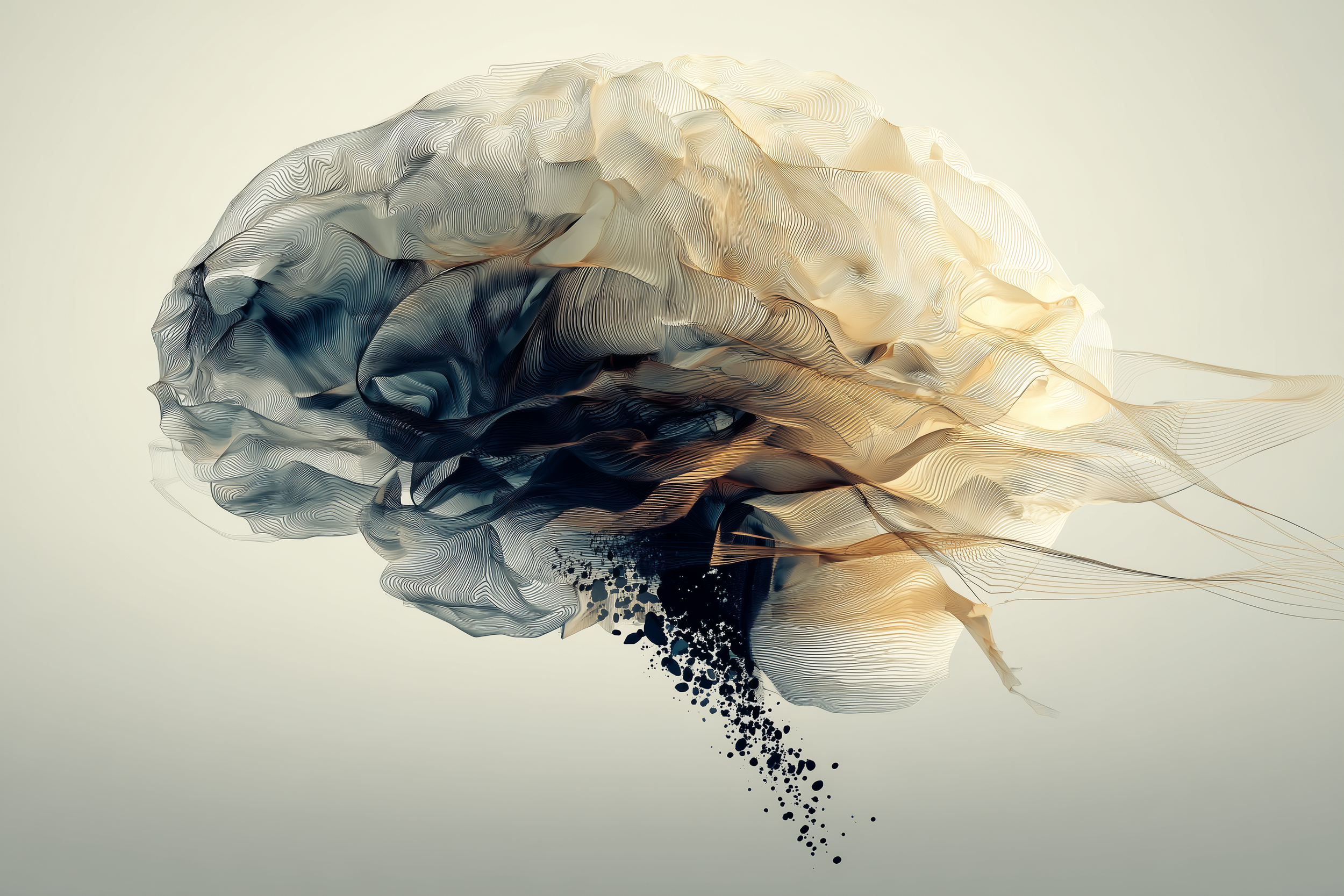
An abstract representation of the brain and subtle cognitive shifts associated with microdosing psychedelics.
What Is Microdosing?
Microdosing typically refers to the regular use of very small psychedelic doses that do not overtly alter perception or impair day-to-day functioning.
The most common psychedelics used for microdosing are psilocybin (from psilocybin mushrooms) and LSD (lysergic acid diethylamide). However, some individuals have also experimented with microdosing mescaline, ketamine, cannabis, and even DMT.
A common rule of thumb is that a microdose of a substance is about 5–10% of a full psychedelic dose. The exact dose varies by individual as the goal is to find a dose that does not result in perceptual changes but does confer the desired benefits to the user. Roughly, this means that if you can tell you’re “tripping”, you’ve overshot your dose.
For psilocybin mushrooms, this often translates to roughly 100–200 mg of dried material (approximately 1–2 mg estimated psilocybin). For LSD, generally this looks like 5 to 25 micrograms — either volumetrically dosed or carefully prepared at that dosage.
How People Microdose: Common Protocols
Because tolerance builds quickly (especially with serotonergic psychedelics), most microdosing regimens space out dosing over several days to avoid loss of effect.
Common schedules include:
Fadiman protocol
Dose 1 day, then take 2 days off.
Every-other-day protocol
Alternate dose and rest days.
Stamet’s protocol
Dose 4 days in a row, then take 3 days off.
All of these protocols schedule a 2-4 week rest period after completing a microdosing cycle of 4-8 weeks.
No head-to-head trials have established a “best” protocol. In practice, many users report dosing 3–5 times per week — with widespread disagreement over which protocol is superior.
At this point, protocol selection is essentially a personal experiment.
Potential Benefits: What People are Reporting
Long before formal research began examining microdosing, online communities were already collecting thousands of informal case reports.
Platforms like Quantified Citizen (Microdose.me), Third Wave, The Beckley Foundation, and discussion forums on Reddit (notably r/microdosing and r/psychonaut) have functioned as large, decentralized data hubs. These spaces contain thousands of first-person accounts detailing doses, schedules, stacking practices, side effects, and perceived outcomes.
Across these communities, several benefits are reported repeatedly:
Improved mood and reduced depressive symptoms
Lower anxiety and stress
Greater focus and task initiation
Increased emotional openness and reduced reactivity
Enhanced creativity and cognitive flexibility
In sheer volume, this collective anecdotal record represents the largest body of information we currently have about how people are actually microdosing in real-world settings.
Anecdotal reports, however widespread, are of limited use in several important ways. These finds are limited by:
Self-selection bias: those who benefit are more likely to post than those who did not
Placebo effects: when someone expects a treatment to work they are more likely to perceive a positive effect, whether or not the treatment caused that outcome
Lack of standardized dosing or formal assessments to evaluate outcomes
Highly variable substance purity and potency
Online communities are immensely valuable for identifying patterns and generating hypotheses. They help us understand what people are trying, what they believe is working, and where problems tend to emerge.
But they cannot establish causality.
In other words, these communities are excellent at showing us what people experience — not at proving why those experiences occur, or whether the substance itself is responsible.
This is where rigorous scientific study is needed.
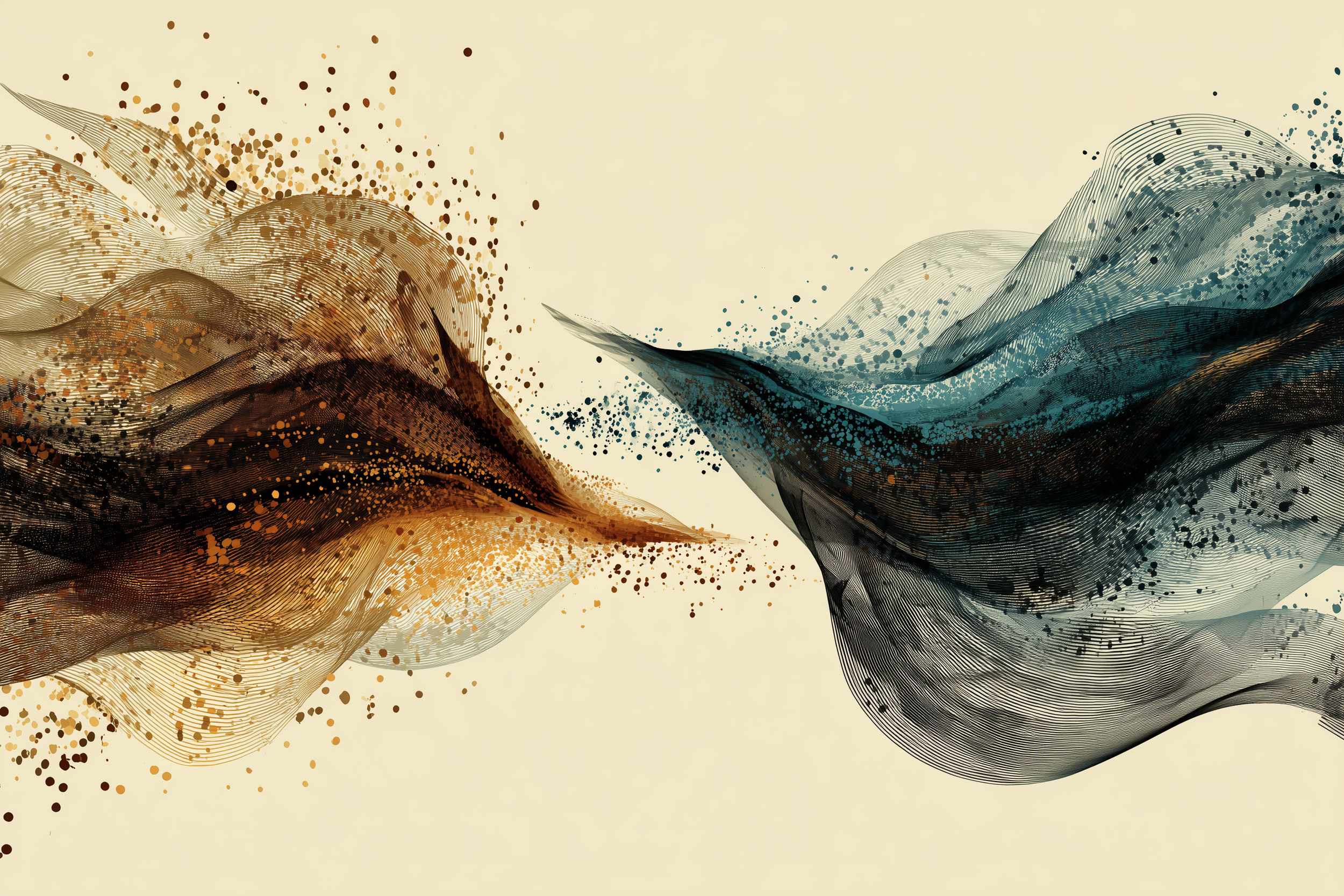
A conceptual illustration of the interplay between expectation and pharmacological effects in microdosing.
What the Research Actually Shows
When we move from online reports to controlled research, the picture becomes more mixed.
A large observational study (Rootman et al., 2022) followed nearly 1,000 psilocybin microdosers over one month and found greater reductions in depression, anxiety, and stress compared to non-microdosers. That sounds promising — but participants chose whether to microdose, doses varied, and there was no placebo control. Self-selection and placebo effects make it impossible to say microdosing caused the improvements.
Placebo-controlled studies tell a more complicated story.
In the largest placebo-controlled microdosing trial to date (Szigeti et al., 2021), both the microdose and placebo groups improved significantly — but there were no meaningful differences between them. When researchers accounted for participants correctly guessing when they’d taken active doses, most advantages disappeared.
A double-blind lab study using psilocybin mushrooms (Cavanna et al., 2022) found that low doses produced noticeable acute effects, but no strong or lasting improvements over placebo on mood or cognition.
Similarly, a controlled LSD microdosing study (de Wit et al., 2022) found mild stimulant-like effects at higher low doses (26 micrograms), but no sustained improvements in mood, well-being, or cognitive performance compared with placebo.
The Pattern
Across placebo-controlled research:
Both microdose and placebo groups often improve over time.
Differences between groups are small or absent.
Reported benefits frequently cluster around short-term subjective feelings (e.g., feeling energized) rather than durable clinical change.
Expectancy and broken blinding play a major role.
In short: microdosing may produce subtle acute effects, but strong evidence for sustained, pharmacologically driven mental health improvements is still lacking.
Risks and Unknowns
Side effects and physiological risks
At microdose levels, classic psychedelics appear to have low acute physiological toxicity in medically screened participants, especially compared with many commonly used substances. However:
Common side effects include jitteriness, mild anxiety, headache, insomnia, and gastrointestinal upset.
There is always a risk, especially with unknown potency and purity, that someone ends up having a distressing (or even traumatic) psychedelic experience when they are only trying to take a microdose.
Long‑term safety of chronic low‑dose exposure—e.g., weekly microdosing for years—has not been rigorously studied in humans.
Legal and regulatory context
Most psychedelics remain controlled substances under federal law in many jurisdictions, including the United States, with a patchwork of local decriminalization and state‑level regulated access emerging in therapeutic contexts. Outside of approved clinical trials or sanctioned programs (e.g., psilocybin services in Oregon or Colorado), possession and use often carries legal risk, even if enforcement priorities are changing.
Harm‑Reduction Considerations
Depending on the substance, there is real risk of misidentification, contamination, or unexpected potency — particularly when materials are obtained through unregulated channels.
Substances sourced from the black market may be:
Misrepresented as something they are not
Adulterated or diluted with other compounds
Contaminated with harmful substances
For synthetic materials (such as LSD or ketamine), verification is especially important. The gold standard is laboratory testing. While this is not always accessible, reagent testing kits are a more affordable option and can detect many common substitutions or dangerous misidentifications.
For organic materials (such as cannabis or psilocybin mushrooms), the risk of outright misidentification may be lower, but contamination remains possible. Mold, pesticides, heavy metals, and significant variability in potency are real concerns. Even mushrooms from the same batch can vary widely in psilocybin concentration.
Laboratory testing remains the safest option. For psilocybin mushrooms specifically, at-home potency screening tools (such as Qtests) can provide rough estimates, though they are not as precise as lab analysis.
Approaching sourcing and testing with caution is not paranoia — it is basic harm reduction.
Who Should Not Microdose
There are real contraindications that matter.
Microdosing should be avoided — or at minimum discussed carefully with a qualified provider — in individuals with:
Personal or family history of psychotic disorders
Bipolar I disorder (especially with history of mania or psychosis)
Uncontrolled cardiovascular disease
Pregnancy or breastfeeding
Caution is also warranted for people taking certain psychiatric medications, including:
SSRIs and SNRIs (which may blunt or unpredictably alter effects)
MAOIs
Stimulants
Lithium
Antipsychotics
Mood stabilizers
Medication interactions are under-studied in microdosing contexts. There is one reported instance of someone experiencing Serotonin Toxicity when combining a microdose of psilocybin with their existing psychiatric medication.
If someone has significant psychiatric complexity, mood instability, or a history of destabilization with altered states, microdosing is unlikely to be the right tool.
So… Does Microdosing Work?
The honest answer is: it depends what you mean by “work.”
Many people report benefits. At the same time, the best available research suggests those benefits may be largely driven by expectation, context, and behavior change - not necessarily the pharmacological effect of the substance itself.
Is it possible that someday new evidence will emerge that more directly supports the benefits of microdosing? Absolutely.
And expectation is powerful. People can experience real improvement because they believe something will help. People really can get better, both physically and mentally, because they expect a treatment to work. Sometimes this is only temporary, but other times it is lasting and profound.
So the possibility for change isn’t meaningless simply because it may be due to the placebo effect. However, this does change how we understand what’s actually doing the work.
Recommendations (Clinical Perspective)
From a clinical standpoint, it’s important to be clear:
Microdosing is not a first-line treatment for mental health concerns
There is currently insufficient evidence to recommend it as a reliable intervention
There are known risks and unknown long-term effects
Legal considerations are significant and vary by location
If someone is considering microdosing, a more grounded approach would be:
Prioritize treatments with established evidence (therapy, lifestyle interventions, medication when appropriate)
Work with a qualified provider to assess risks, especially if there is psychiatric or medical complexity
Focus on the underlying goals (mood, focus, emotional regulation), not just the method
If someone does choose to experiment, it should be done with informed awareness of the limitations, risks, and uncertainty involved - not as a guaranteed solution.
Bottom Line
Microdosing sits in an interesting place.
There is a large and compelling body of personal experience suggesting benefit. There is also a growing body of research that does not clearly support those claims.
It may help some people. It may do very little. And in many cases, the mechanism of change may have more to do with mindset and behavior than the substance itself.
For now, the most responsible stance is cautious curiosity - grounded in evidence, honest about uncertainty, and focused on safety.
If you’re thinking about microdosing—or any kind of psychedelic use—and want a place to talk it through clearly and honestly, I offer psychedelic consultations focused on education, safety, and integration.
I also offer trainings and workshops on microdosing for other clinicians or community groups who want to learn more about microdosing psychedelics.