Psychedelic Therapy for Trauma: Why Relationship Matters More Than the Medicine
Psychedelic therapy for trauma is getting a lot of attention right now; and for good reason. Substances like psilocybin and ketamine can open access to emotional material that often feels out of reach in traditional talk therapy.
But one thing that gets lost in the conversation is this:
The medicine is only one part of the process.
Drawing from years of personal and professional practice in Colorado, I’ve found that what determines whether this work is actually healing - or just intense - isn’t the substance itself. It’s the relationship, the preparation, and the integration that surround it.

A trusted guide helps create a secure environment for clients to explore deep emotional and spiritual material.
Psychedelics Are Catalysts, Not Cures
Psychedelics can catalyze profound insight, emotional release, and reconnection with parts of the self that have been suppressed.
But they are not quick fixes.
A lot of mainstream psychedelic therapy models follow a compressed structure:
one or two preparation sessions
one or more medicine sessions
one or two integration sessions
and then you’re done
This can create powerful experiences. But when it comes to trauma, it often isn’t enough.
Trauma isn’t just something you understand - it’s something your nervous system has learned. And real change tends to happen slowly, through repetition, safety, and integration over time.
That’s why in trauma-informed psychedelic therapy, preparation and integration aren’t add-ons. They’re central to the work.
Why Relationship Matters in Psychedelic Therapy for Trauma
In every form of therapy, healing happens in relationship - and psychedelic healing is no exception. Research has shown that the facilitator-client relationship is the foundation of a safe, effective, and deeply transformative experience.
Here’s why:
1. Surrender Requires Deep Trust
To fully open into a psychedelic experience, you have to let go—into your body, your emotions, and whatever arises.
That kind of surrender doesn’t happen because you logically trust someone.
It happens when your nervous system feels safe.
And that kind of safety takes time to build.
2. Vulnerability Requires Containment
Psychedelic experiences often bring up material that feels deeply exposed—grief, shame, fear, early memories, or parts of yourself you’ve kept hidden.
Without a strong relational container, that level of openness can become overwhelming or destabilizing.
With the right support, it becomes something else entirely: a doorway into healing.
3. Your Inner World Needs to Be Understood
Every person’s mind works differently.
Some people respond well to direct guidance. Others need space. Some have strong protective parts. Others dissociate or shut down.
Without understanding your psychological and somatic patterns, a facilitator is essentially guessing during a psychedelic session.
That’s why I spend significant time getting to know how a client’s system works before introducing any medicine.
By the time we move into psychedelic work, I’m not just supporting an experience—I’m working with a system I already understand.
4. Attachment Wounds Heal Through Relationship
Most trauma—especially developmental trauma—happens in relationship.
Which means healing tends to happen the same way.
Consistent, attuned, safe connection over time allows the nervous system to update old patterns around trust, safety, and attachment.
Psychedelics can accelerate access to these patterns.
But the relationship is what actually helps them reorganize.
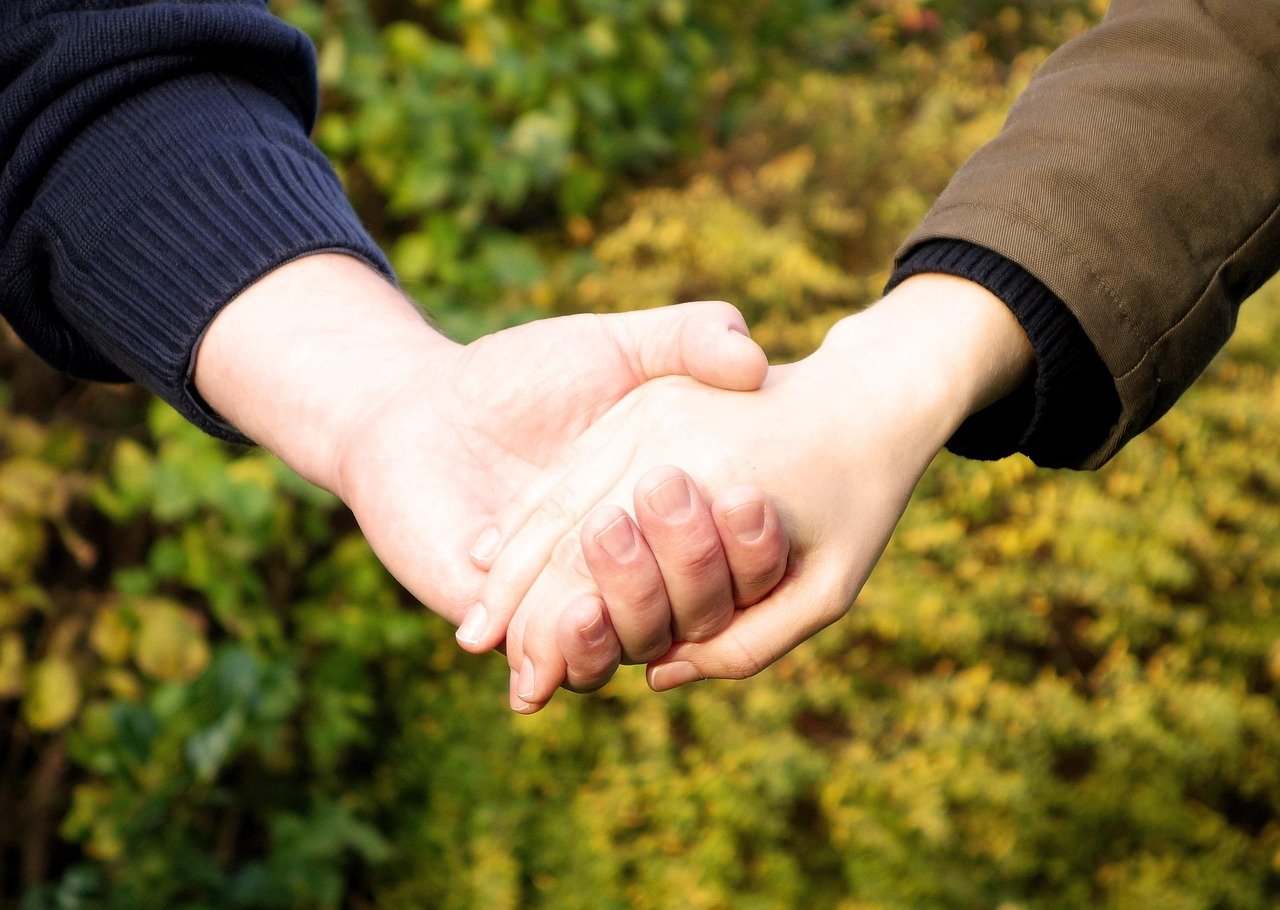
Trust and attunement between guide and client are at the heart of relational psychedelic therapy.
A Relational, Trauma-Informed Model
Unlike shorter protocols, a trauma-informed psychedelic therapy model emphasizes pacing, personalization, and collaboration:
Ongoing Therapy First: Before any medicine work, we build a foundation of safety, regulation, and mutual trust.
Flexible Timing: Some clients feel ready after several weeks; others after months or years.
Customized Medicine Plan: There is no fixed number of sessions or dosages. We adapt together as your process unfolds.
Integration as Ongoing Relationship: After the journey, integration continues through the therapeutic bond, translating insights into lasting change.
This kind of trauma-informed psychedelic therapy aligns with emerging research from institutions like Johns Hopkins and NYU, which emphasize safety, preparation, and skilled facilitation.
What to Expect from Psychedelic Therapy for Trauma
In my practice, psychedelic therapy for trauma typically looks like this:
We start with therapy, exploring what’s bringing you in - whether that’s anxiety, trauma, grief, or something harder to name.
We focus on building safety in the nervous system using somatic work, mindfulness, and parts-based approaches.
When it feels appropriate, we may introduce psychedelic work as one part of a larger process. If you're curious about what that looks like in practice, you can read more about how I guide psilocybin sessions.
Afterward, we continue meeting to integrate what came up - translating insights into real shifts in behavior, relationships, and self-understanding.
Over time, the work becomes less about the medicine and more about the relationship you’re building with yourself.
In this way, psychedelics becomes an extension of a living, evolving therapeutic relationship, not a one-off event. The relationship itself is the medicine.
Why Slower, Relational Work Often Goes Deeper
There’s a growing cultural pressure around psychedelic therapy to be fast and dramatic.
Breakthroughs. Peak experiences. Rapid transformation.
And while those moments can happen, they’re not the whole story.
Real trauma healing is often slower, quieter, and more cumulative.
It happens through:
repetition
integration
and relationships that feel consistently safe
Psychedelics can support that process.
But they don’t replace it.
Begin Psychedelic Therapy for Trauma in Colorado
If you’re exploring psychedelic therapy for trauma in Colorado, it’s worth taking the time to find an approach that prioritizes safety, relationship, and long-term integration.
That foundation often makes the difference between an experience that is intense—and one that is actually healing.
If this approach resonates, you can learn more about working together or reach out to schedule a consultation.
I also do speaking and workshops on trauma-informed psychedelic therapy, where I teach these principles in more depth.